Blog

  • Does Running Google Ads Help Improve SEO Rankings? A Detailed Insight

    Does Running Google Ads Help Improve SEO Rankings? A Detailed Insight

    You might have always thought that spending on Google ads won’t do much good to your Search Engine Optimization endeavors. But, Google has always been very clear about its ranking policies. The content, page experience, and dwelling time of the users on the web pages are some of the primary factors they consider. Consequently, paying for the ads won’t simply bring you to the top of SERP. 

    You might be thinking about why it’s always recommended to implement an omnichannel strategy comprising paid ads to generate relevant search traffic. This leads to the question – does running Google ads help improve SEO rankings? 

    Though Ads don’t directly boost the SERP Rankings, it helps drive targeted search traffic, eventually boosting rankings. In this blog, we’ll discuss how investing in Google Ads can increase the effectiveness of SEO.

    What are Google Ads? 

    Before jumping into the correlation between Search Engine Optimization and paid advertising campaigns on Google, let us first understand how PPC and SEO work. Google Ads or PPCs is Google’s advertisement solution that allows businesses and website owners to show their ads next to Google’s search results when the query matches the content or theme of your ad. Here you don’t need to pay in advance and are only required to pay a particular price every time a client clicks on your ad to call your business or visit your website. 

    Search Engine Optimization or SEO is the process of making your website fit to be ranked by Google on the Search Engine Results Page or SERP. This includes optimizing the contents of the web pages, proper usage of keywords, and deriving links from high-authority websites. Whenever someone searches for a service or product that matches your website’s content, it’ll appear on the results page if it’s well optimized. 

    Google’s algorithm judges your website based on these factors to analyze its relevance, and the more relevant it is, the more Google will push it to the top.  So, it’s integral that your website is well-curated, easily understandable, and descriptive for the audience to connect with it easily. Adding complicated stuff or content that’s already available on other websites will not do any good as visitors are less likely to trust a new website. 

    Why Does Google Not Allow Ads to Help Improve Rankings?

    Whether PPCs impact the rankings is one of the most debatable questions in the digital marketing community. While Google has officially declared that the Google ads do not affect the SEO rankings and these two are entirely separate entities, marketers often get confused about whether they are interlinked. 

    Before Google Ads or Google AdWords (as it was known formerly) was launched in 2000, the only strategy to rank on the SERP was to create quality content. As Google ads started gaining popularity as a medium to advertise the product(s) and service(s) on SERP, marketers started questioning if Google would now begin giving priority to businesses paying them through ads. After all, if Google did do it, imagine what the scenario would have been like. Instead of putting effort into ensuring their websites are up to the mark, they would bid for top positions by paying more for the Ads. 

    This would have been detrimental to the organic ecosystem Google always has been trying to build and takes pride in. Consequently, content would have had to take the back seat then. It would have also led to legal issues for violating several laws like EU competition laws and US antitrust laws. 

    How to use Google Ads to optimize SEO?

    SEO has its fair share of troubles. First and foremost, SEO takes time. It might take months, if not years, to achieve the desired results. You need to have patience for your SEO plan to start showing the desired results. While a Google Ad can be set up within a single day, spending a minimum amount and it may start showing results in no time. These insights help a lot in the long run by providing a better idea of what needs to be done for more successful conversions. For example, suppose your insights showed that email sign-ups and purchases are more successful in ensuring conversions; you or your SEO manager can add these to your SEO strategy.

    Google Ads is also an excellent tool for retargeting. Retargeting or remarketing is the process of showing targeted ads only to the audience that had earlier interacted with your site but have not converted to successful leads despite triggering some kind of action. 

    You can make them interact with your brand again through these targeted ads leading to conversion. Google’s algorithm takes into consideration the spike in traffic and marks it as relevant. As a result, it starts promoting your website and pushes it to the top. 

    Remarketing also helps you find out which keywords are most effective in attracting clients and based on that data you can start incorporating those keywords in your website while doing SEO of the site.

    Lastly, using Google Ads, you can keep a constant check on the result of the SEO campaign. Using that data from the ads, you can change your SEO strategy and make it more efficient. For example, if you’re making changes to your website, the Ad tools can help you determine if the modifications can bring in more traffic or will not have any result.

    Conclusion

    We hope you now have a better idea about SEO and Google Ads and ways to leverage one to optimize the other. So even though Google Ads will not directly help your SEO campaign for rankings, it will save your time and resources instead of you having to wait and invest for months on an SEO campaign only to find it didn’t work the way you wanted to in the first place. 
  • Why Influencer Marketing is the Key to Running a Successful Business in 2021

    Why Influencer Marketing is the Key to Running a Successful Business in 2021

    Back in the early 2000s, only distinguished celebrities and businessmen had the ability to sway the masses to make a purchasing decision. Fast forward to the post-pandemic era; influencers are all over social media. In terms of marketing, an influencer is anyone with a large social media presence and can influence the buying decisions of their distinctive followers. 

    What is Influencer Marketing?

    Influencer marketing is when a company launches a promotion campaign for itself or any of its products in association with an online influencer. The influencers are responsible for promoting the product on their social media handles, urging their trusted followers to engage with the business. 

    Influencers are smart, creative, and know their audience well, making them a great asset for pushing in potential customers. In most cases, companies and influencers work together in strict collaboration to boost brand value and awareness.

    Why does Influencer Marketing Works? 

    Marketing has many unexplored realms. It’ll be difficult for businesses to operate without running engaging marketing campaigns. So, it’s integral that they remain smart with their marketing endeavors. But why should a company trust influencer marketing to be good for them? 

    The youngsters are generally advertisement-averse unless they find something they can connect with. And this is where influencers come in. An influencer collaborating with a company builds a positive impression among the consumers. Influencers are a part of the consumer community, and people trust influencers throughout their buying journey. 

    At the same time, young buyers find it odd when companies engage in self-promotion. Launching ad campaigns in collaboration with influencers can get you some brownie points among the consumer community for this very reason. Your company would look less needy if it had some influencer fawning over it. 

    Next up, there has been a massive increase in the number of social media users over the last couple of years. Platforms like TikTok, Instagram, and Facebook are gold mines to rake in potential customers. The influencers create compelling content on these platforms to lure the target audience into making a purchasing decision. 

    Benefits of Influencer Marketing 

    Influencer marketing often yields handsome dividends on a company’s sales number. They contribute to driving the engagement rate and overall brand equity. Here are some of the best benefits of investing in influencer marketing:

    1. Targeted Advertisement

    In marketing, it is all about the return on investment. When it comes to influencer marketing, you might get the highest returns based on your investments. This is because influencer marketing is highly targeted. And the best part is that you don’t need to figure out the algorithm and data to find your target audience.

    All you need to do is, find influencers relevant to your niche. They understand their audience and know how to push out targeted content to promote different businesses. With influencer marketing, you have a greater chance of attracting more customers through a single advertisement. 

    2. Increased Brand Awareness:

    Influencers not only drive sales figures but also amplify brand exposure and awareness. When consumers see established and renowned influencers talking about your business, they take notice. Slowly but surely, frequent collaborations with popular influencers can turn your business into a brand. 

    3. Creative Campaigns

    Influencers are skilled at creating content that resonates with the preference of the prospects. As mentioned earlier in the blog, influencers know what their audience likes. They design their promotional and advertisement campaigns creatively and witty so that their audience takes notice. 

    These creative campaigns not only increase engagement but also help in establishing your company as one of the key players in the industry.  

    4. Brand Credibility

    The general attitude of consumers towards new entrants in the industry is distrust. Customers are generally apprehensive of the tall claims that companies make for their products. It’ll take a lot of convincing for them to give up on their favorite brands to try your products. 

    But if you have influencers praising your products, it creates a good impression within the consumer forum. It enhances your brand’s credibility as consumers tend to trust the verdict of their favorite influencers. 

    5. High Rankings on SERP

    The one thing that can make or break a business is how well they’re doing on the search engine result’s page (SERP). Following the trend, a large chunk of buyers has shifted towards e-commerce.  

    That being said, it is becoming increasingly difficult for companies to boost their visibility on the internet. Investing in SEO is as important as investing in a stellar advertising campaign. 

    But with influencer marketing, you’re practically investing in both – for the cost of one. Influencers increase your customer engagement and interaction, making your business rank higher on the Search Engine Results Page (SERP). 

    At the same time, when influencers mention your business on any virtual space, it gives you the benefits of an authentic backlink, which itself is an important factor for search rankings. 

    What Mistakes to Avoid in Influencer Marketing

    Influencer marketing is a risky piece of business when it’s not done right. Businesses should make healthy and informed decisions, especially when deciding on which influencer to partner with. 

    The level of trust between the company and the influencer must be steadfast. Before you get into a collaboration with an influencer, remember that they will essentially become the face of your company.

    Anything they do or say will be a representation of your company’s ideology, making them the in-charge of your brand reputation. If any of their statements are offensive or negative, it’ll hurt your brand reputation. Thus, the interests and the content of the influencer must strictly align with the ideology of the business. 

    At the same time, businesses should be wary of influencers with fake followers. Some online influencers tend to purchase followers to make themselves appear more popular. A simple manual check of their average post engagement can do the trick. But if you want to be double sure, multiple tools like InstaCheck can help you weed out fake influencers. 

    Final Thoughts

    Influencer marketing is one of the most influential branches of marketing. It aligns perfectly with the modern-day emphasis on the internet and can generate powerful results. Moreover, influencer marketing can help you reap long-term benefits if you play your cards right.

  • Why is Meme Marketing Gaining Rapid Momentum Among Marketers?

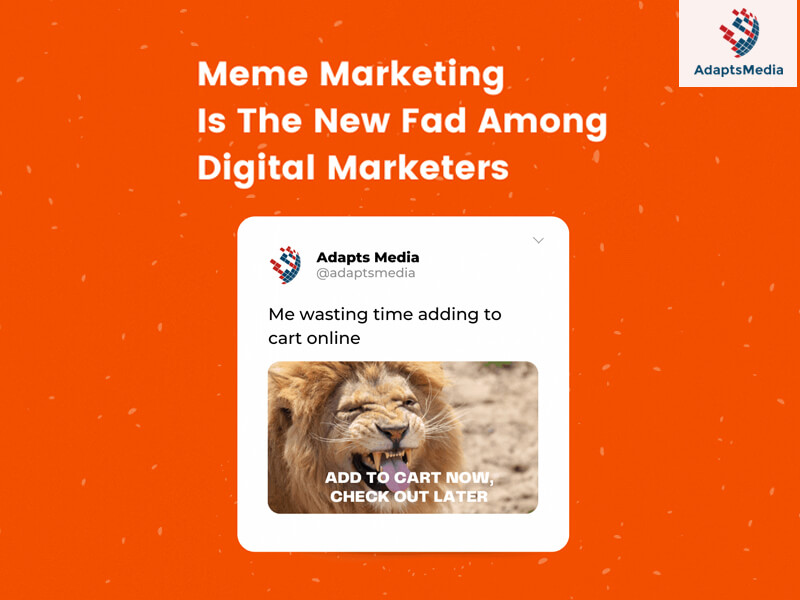
    Why is Meme Marketing Gaining Rapid Momentum Among Marketers?

    Visualizing a digital world without memes has become almost unthinkable, with funny videos, vines, and reels overtaking textual content on social media. On average, a millennial spends over 200 minutes of their daily lives online. In comparison, Gen-Z’s are bound to be more attracted to their social media profiles than their older counterparts. As such, memes are being consumed at a rapid pace. 

    The word meme, first coined by Richard Dawkins in 1976, refers to any cultural symbol that is transmitted across various groups like a viral infection. In the urban setting, a meme is a virally transmitted image that makes the masses feel the humor. Since the start of the pandemic, sharing memes has become the trendiest aspect of the internet. 

    Social media marketing is key to the success of any ambitious business. However, branding on social media is often greeted with scorn. 

    Just think about it, do people log on to social media platforms like Instagram to see brands promoting their content through blogs? Absolutely not! The younger generation uses social media as an escapade – something that is going to take their minds off their hectic lives. That is why Gen-Z’s are so opposed to brand promotion. They avoid all kinds of promotional posts. 

    In light of this, marketers found an interesting way to reach out to the younger generation – meme marketing.

    What is Meme Marketing?

    To put it simply, meme marketing is a part of viral marketing. Through this practice, brands try to use memes to appeal to the younger generation and get them to interact with their businesses. All this is done in a very strategic manner so that brands can capture the attention of their potential customers while also staying relevant to their business’s objectives. 

    Let us now talk about some examples where popular brands successfully using meme marketing:

    1. Netflix: If you are an active user of social media, you must be aware of the viral ‘Bird Box’ trend that swept the internet off its feed. 

    Yes, you heard it right. The popular Bird Box trend was a marketing strategy launched by none other than Netflix. It was a promotional stunt to increase user engagement and promote their latest original movie. And it worked wonders! People went crazy after the meme and used Netflix’s preferred hash-tags to contribute to the trend. All in all, it was a spectacular marketing stunt by Netflix. 

    2. BarkBox: BarkBox is a fairly successful organization famed for its dog products and services. Naturally, the company has a huge number of followers who adore puppies. To leverage this situation in their favor, BarkBox has been posting cute and funny dog memes for a long time. It’s giving them a huge amount of exposure and increasing their overall stature.

    3. Wendy’s: Everyone knows about this popular American fast food restaurant chain. Wendy’s Twitter presence is something that needs to be appreciated. Their feed is full of memes, jokes, and sassy humor that appeals to the younger generation’s interests. Naturally, Wendy’s success is a well-known story. 

    Benefits of Meme Marketing:

    So now that we know WHAT meme marketing is let us talk about WHY meme marketing is important for any business’s marketing strategy.

    1. Cost Effective – It is natural for companies to be attracted to numbers. Using marketing trends that do not cost a bombshell is mouth-watering for all kinds of organizations. Meme marketing is something that burns a tiny portion of the marketing budget. The necessity for meme marketing is a team of creative employees who are up to date with the latest internet trends, and that doesn’t cost much!

    2. Popularity & Engagement – Memes have a massive fan base. The craze has increased ever since the start of the pandemic in 2020. People take to their social media accounts to satiate their hunger for memes. Organizations can tap into this frenzy through the use of strategized meme marketing. And results speak for themselves, business engagements skyrockets if done the right way. 

    3. Appealing Nature – Just think for yourself – would anyone like to read a 500-word blog on your product when they log into their Instagram account? No. 

    The younger generation has shortened attention spans. Memes appeal to their interests for this very reason. They can view and share the memes that they like, all within 10 seconds. They are more likely to interact with meme marketing than any other form of branding. 

    4. Lifespan – If the meme is creative, its lifespan can be very long. This means less effort for companies as they can recycle memes from the same trend. However, trying to revive dead memes has never worked, and organizations need to avoid doing that. 

    5. Easy to Create – Creating memes is not rocket science. It doesn’t require the use of any complex software or tool. All you need is a creative mindset, a relevant image, and a cracking punch-line. Thus, memes can be pushed out at a rapid pace. 

    Dos and Don’ts of Meme Marketing

    Before splashing into the trend of meme marketing, an organization needs to keep in mind the following:

    Dos:

    • Be on the lookout for existing and trendy memes and try to connect them with your product/services. 
    • Make sure that your meme lingo is on point. If not, your customers will be put off and recognize that you’re trying too hard. 
    • Don’t try to construct memes that everyone would understand. Only appeal to your target audience. 

    Don’ts: 

    • Never try to pick up and dead or dying trend. 
    • Don’t try to hop on each trend on the internet. Be minimalistic and patient. 
    • Don’t delegate meme marketing to an employee who’s not in touch with the concept of memes and social media trends. 

    Start Meme-ing! 

    The benefits of meme marketing are immense. For a little next to nothing, your organization could scrape in tons of followers through the compelling nature of memes. Top organizations have been leveraging user interests for several years now. With memes being the primary landscape of the social media world, it’s time for your business to use them in your marketing strategy. 

    Meme marketing requires next to no investment while providing pleasing returns over your long and short-term future. Now that you’ve acquainted yourself with the benefits of meme marketing, it’s time to hop on to Twitter and get to know the latest meme trends for your business!

  • Top 3 Digital Marketing Trends in 2021 that You Must be Aware of

    Top 3 Digital Marketing Trends in 2021 that You Must be Aware of

    Digital marketing is changing the entire marketing landscape altogether.  Quite evidently, it’s constantly evolving. It’s, therefore, essential for businesses to keep abreast with the latest trends and abide by an approach that’ll help them take the lead. 

    As technology continues to evolve, it has become essential for marketers to improvise and leverage the full potential of current trends to stay ahead of the curve.  For example, voice search optimization and artificial intelligence are now taking the lead when it comes to building a brand online. This blog aims to compile the list of three digital marketing trends you need to follow in 2021 to up your game:

    1. Artificial Intelligence in Marketing

    Artificial intelligence is no longer the cool tech from Hollywood movies. It has slowly started becoming a part of our daily lives.  Marketers all over the world are now reaping its benefits to promote their products across all digital platforms. As per data, almost 60 percent of internet users now actively interact with AI-powered chatbots to understand the product(s)/ service(s) or seek answers to their queries. Not only that but the digital content we consume these days are also curated according to the data gathered by AI algorithms. 

    The best thing about Artificial Intelligence is, it’s a self-learner. This means the algorithm can learn from the internet by itself without needing any extra help. Artificial intelligence is also providing marketers with better options to ensure more success. JP Morgan and Chase recently created history by using its AI-powered contest writing assistant Persuade to write an ad copy.

    1. Augmented Reality

    Augmented Reality is now among the most popular trends in digital marketing. In fact, it has been making its presence known for quite some time now. Unlike virtual reality, AR has its roots in the real world. It takes objects from the living world and enhances the experience we may have interacting with them through computer-generated perceptual information.

    Several brands are already using AR features to make the experience of their customers better and increase sales. Eyewear brand Lenskart uses an AR system to enhance the customer experience during shopping by letting them test the products before finalizing the order. 

    Brands like Ikea and Gucci are also not far behind. While Ikea lets the customers check out the furniture from IKEA that would match the aesthetic of their rooms simply by clicking a photo of their room and uploading it to their app, Gucci is also garnering popularity among the customers for their use of AR.  Gucci lets anyone try out the sneakers they sell simply by pointing the camera down toward the user’s feet. Users can also take photos and share them with others on various social platforms.

    This shows the popularity AR is garnering among businesses, and it is safe to assume that it would play a significant role in benefiting digital marketers in the upcoming days.

    1. Voice Search Optimization.

    Phrases like “Okay Google” and “Hey Siri” are now a part of our daily conversations. Whether searching for a new place to eat or looking up an address on the map, users can do anything by simply saying the query on the phone instead of manually typing these. Though Voice Search has existed since 2014, it has gone through several changes over these years, and thus today, it has a more streamlined structure with better features. Google has also recently announced that its Voice Search tool today boasts around 96% accuracy. 

    Ecommerce brands like Amazon, Flipkart, etc., have already incorporated voice search options on their sites. According to the latest studies, experts predict that more than 50% of online shopping in the future will be done through voice search only. Thus it will have a significant impact on the digital marketing space. Marketers need to become acquainted with how Voice Search Optimization can be used to drive higher search traffic and ultimately increase sales and revenue.

    Conclusion

    Technology is expected to play a key role in digital marketing. So, it’s integral for marketers to keep abreast with the latest trends and changes in the digital marketing space to drive tangible results. The key is to always be on the lookout for changes and craft strategies to stay relevant in this cut-throat competition. 

  • What Will the iOS 14 Update Mean for Facebook Advertisers?

    What Will the iOS 14 Update Mean for Facebook Advertisers?

    Apple has always walked the extra mile in ensuring the privacy of its users. If your prospects are mostly iPhone users, it’s time you think of altering your strategies considering the new Apple privacy updates. This post aims to shed light on why the iOS 14 update will matter to your marketing team and how it’ll affect your Facebook marketing endeavors. 

    What Does the iOS 14 Update Matter to Marketers? 

    There has been a lot of fuss among customers about Apple’s upcoming iOS 14 updates. While users will remain at better off in terms of privacy, it has taken a toll on marketers. It’s significantly impacting data tracking permissions and, therefore, considerably impacting the efficacy of Facebook ads. 

    Facebook, too has responded to the planned update with equal apprehension as that of the marketers. Businesses these days use Facebook ads as one of their key strategies for audience targeting and lead generation. 

    The iOS 14 update’s most significant changes are its privacy and data sharing policies, which the company has termed as Apple’s App Tracking Transparency Framework. The idea is to give users a transparent choice to protect the privacy of the customers. 

    Currently, any user willing to turn off the data sharing on your phone can go to the privacy settings option and switch off the function. The iOS 14 update will prompt the users to decide anytime they wish to download the app. 

    To put it simply, the moment you download the app from the App Store, you’ll see a pop-up asking if you want to grant the app permission to track your activity across apps and websites of the other companies. You can either allow tracking or refuse the app to do so. 

    Marketers believe that if consumers are given a choice if they’d like to be tracked across the internet, most of them will respond negatively. On the flip side, Facebook measures the efficacy of the ad campaigns by analyzing the user behavior data. 

    The iOS 14 update will be applicable to all apps in the App Store, including Facebook-owned apps like Messenger, Instagram, and WhatsApp. Additionally, it’ll also impact the apps that use Facebook’s Audience Network for monetization. There’s no denying that this would significantly impact businesses that rely on social media advertising. 

    In its official statement, 

    Facebook revealed that this update would cause significant damage to small business owners who are trying to survive the challenges posed by COVID.  Facebook has even created a page for small businesses to share how Apple’s update will affect them as well as the hashtag #StandUpforSmallBusinesses.

    How Will the Update Affect Marketers?

    Facebook can now easily track user activity on other websites and in other apps. The most common way is to track through Facebook Pixels (small pieces of Java Script codes) installed on a website or app. When any user visits a website and takes action (adds an item to their cart, makes a purchase, visits a landing page, etc.), the codes notify Facebook, where that information is stored as data for your campaigns. 

    Marketers can easily use the information gathered from Pixels and other tracking methods to determine the ads that will best work for your business goals by dissecting the insights provided by Pixel. It also allows marketers to retarget specific groups of users, such as website visitors who added items to their cart but ultimately didn’t make the purchase. 

    Currently, you can add as many pixels as you want on your website for as many marketing campaigns you like. Usually, it’s wise to add pixels on every website page to track all the conversions. With the iOS 14 update, marketers are allowed to place only eight pixels on a single domain. This will significantly reduce the amount of data that it collect and leverages. 

    If Facebook cannot track user behavior, its targeting ability will significantly diminish, and the amount of data collected will be considerably reduced. The amount of money spent on ads will have lower ROI and will also become expensive. Moreover, marketers often use this data to curate customized ads which could pose great difficulty. 

    Ultimately, the ads will be less personalized, which could lead to fewer leads being generated by Facebook ads to drive sales. The reporting is also likely to get impacted by the update, as the data won’t include users who denied permissions for tracking. 

    The Facebook Audience Network is a tool meant for publishers to monetize their websites by hosting ads and for advertisers to make money from the ad placement. iOS users who deny permissions can’t be tracked on these websites, and advertisers, therefore, may decide that paying to host their ads on these sites will no longer be profitable. They’ll end up losing valuable ad placements, and publishers will lose revenue from those ads. 

    Conclusion

    The iOS 14 update has concerned marketers globally about their future ability to reach out to customers, generate leads, and measure conversions from Facebook ads. However, the complete impact will be known when the rollout is complete. 

    As a rule of thumb, it’d be a good idea to start looking for ways to reach out to the prospects digitally. Though Facebook is the most significant player,  it’s high time you start looking for options. 

  • Is Mobile Advertising The Future of Online Marketing?

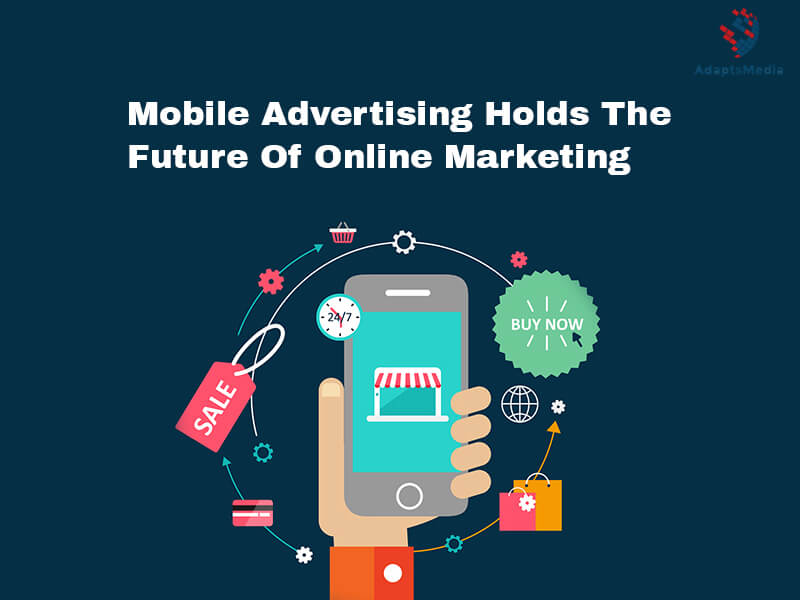
    Is Mobile Advertising The Future of Online Marketing?

    Mobile marketing is now an integral advertising solution. In 2019, around 5.11 billion global users reportedly had unique mobile devices. Out of those, approximately 3 billion had smartphones. 

    As per data, people now spend more time on their smartphones and mobile devices compared to traditional digital devices like televisions. Moreover, an in-home eye-tracking study from Facebook revealed that in the United States, around 95 percent use their smartphone while watching TV. 

    The Age of Mobile Marketing 

    The ultimate goal of a marketing campaign is to reach potential customers over platforms that they are more likely to use. Multi-national companies and large corporations are investing a sizeable chunk of their budget into mobile advertising. You must’ve come across some of them yourself in the form of pop-ups, push notifications, banners, and other forms of advertisement over mobile websites. 

    With the global audience making a gradual transition to mobile platforms over laptops, desktops, and TVs, organizations are investing only in mobile-only marketing campaigns. And the best part – they are getting handsome returns. 

    Why Mobile Advertising is the Present and the Future?

    Digital marketing is ever-changing. This makes it difficult for companies to rely on predictions. However, mobile marketing is the safest option for short-term as well as long-term gains. Here’s why:

    1. Smartphone Screen-Time is Increasing

    The amount of time that consumers spend on mobile phones is on a steady rise. Mobile screen-time accounts for about 71% of the total digital time spent by consumers. 

    Several reports suggest that adults and teenagers in the United States spend more time with their smartphones than traditional digital platforms. All this is an indication of what’s to come – a digital world with smartphones at its center. 

    2. Mobile Advertisements are on the Rise:

    With digitization, mobile advertisements have surpassed other forms of marketing to become the primary form of digital advertisements. It’s projected that mobile advertisements will account for over 50% of digital marketers’ total spend on ads. 

    3. Mobile Marketing is Cost-Effective

    Marketers would always factor in the budget spend required to get tangible returns from a marketing campaign. 

    Mobile advertisements generally have a CPV (Cost per Visit) system. The company is free from making risky predictions and only pay when they get an in-store visit through the advertisement. 

    4. Unique Device IDs Help Companies Understand Customers Better:

    Another benefit of mobile marketing is the information that companies can acquire through a user’s accumulated data. Target-based advertisement is more likely to help businesses reach potential customers than any other form of advertisement. With television, laptops, and personal computers, a customer’s digital footprint is not enough for companies to prepare a tangible profile. 

    Every smartphone has a unique device ID that remains with the user at all times. It helps advertisers track user activity and also try to find out about their preferences and needs through location services. All these make mobile marketing the most viable option in terms of target-based advertising. 

    Types of Mobile Advertisements

    To experience optimized results from mobile marketing, companies need to implement the right kind of strategies that align with the present and future (predictive) trends. 

    For example, customers tend to like engaging with QR codes in public, and companies are taking advantage of it by installing their QR codes in easily accessible locations. 

    1. App-Based Advertisements – Users mostly like using apps they are connected to. With new apps being introduced at every corner, the numbers will only go up. App-based advertisements, therefore, are the most common form of mobile ads. Applications like Google AdMob help advertisers post their advertisements on third-party mobile apps without any additional requirement. 

    2. In-Game Advertisements: If you are fond of mobile games, the chances are that you must have encountered in-game advertisements. Nearly all the games on smartphones have advertisements. These ads appear between different stages of the game to not disturb the user’s experience. 

    3. QR Codes: Users love scanning QR codes. There is a certain mystery factor attached to QR codes that entice customers, as they are unable to guess where they’ll be redirected. As such, QR codes are one of the most popular forms of mobile marketing out there. 

    4. Location-Based: These advertisements pop up on a user’s mobile screen based on their location activity. The goal is to decipher user’s interests and desires to give them fitting advertisements. 

    There are many other common forms of mobile advertisements as well, like mobile search ads, mobile image ads, and SMS advertisements. But the ones mentioned above cater to the future trends while producing handsome returns in real-time as well. 

    Conclusion

    The best way to decide as a marketer is to think like a customer. So ask yourself this simple question – how much time have you spent on your smartphone today as compared to traditional media devices? 

    The answer will provide you with a clear picture of why mobile advertising is the definite future of digital marketing. Channelizing your resources on mobile marketing is an investment for the future and crucial to beat the present competition. The transition from PCs and television sets to smartphones is already taking place. Mobile marketing is already on its way to becoming the primary component of digital marketing. 

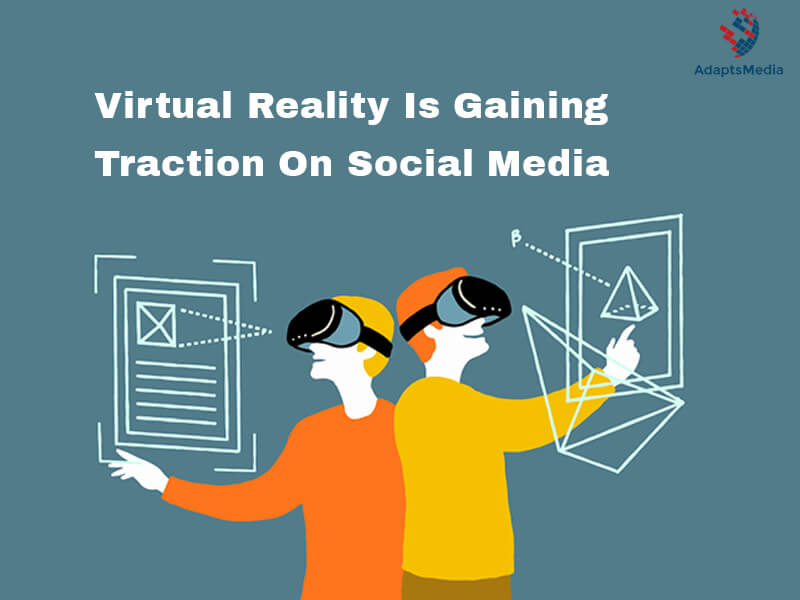
  • How Will Virtual Reality Affect Social Media in 2021 and Beyond?

    How Will Virtual Reality Affect Social Media in 2021 and Beyond?

    Remember the famous Sci-fi movie from 2018, Ready Player One?  The protagonist goes live inside a game with other players to find a solution to a problem connected to real life. Virtual Reality and Augmented Reality are not just themes for movies anymore but also curving a space for them in the real world.

    While AR has already been accepted into several sectors of the digital space, like filters on social media platforms and in games like Pokemon Go, VR is also making its presence known slowly but steadily. In the future, Metaverse would not only be a concept associated with games but will also branch into other fields. Even social media giants like Facebook is actively integrating it into their platform. This reveals that VR ought to play an integral role in all social media platforms.

    Role of Virtual Reality in social media

    Facebook was one of the pioneers to promote VR when it acquired the popular gaming company Oculus way back in 2014. Recently, it announced the Facebook Horizon, an online VR game developed for Microsoft Windows and Oculus Quest 2. It’s a Virtual Reality sandbox universe where users can log in and be a part of several worlds and develop their worlds or activities using the provided tools despite having no prior knowledge of coding. This isn’t the first time Facebook developed something using VR technology; it had earlier tested several VR projects in the form of apps like Facebook Spaces, Oculus Venues, and Oculus Rooms.

    Facebook isn’t the only company looking to reap the rewards of this new technology. Altspace – a social media platform, is also putting efforts into harnessing its power. According to the company’s marketing director, Jerry Gottheil, Virtual Reality is the next big thing in the social media space.  Even companies like HTC have started using Virtual Reality to market their services. It has launched the world’s first 5g consumer mobile headset, XRSpace Manova, which will enable users to enter the virtual universe of XRSpace. The users can not only play games and interact with each other but also view several 2D and 3D content. Besides, they can also use the platform for conducting interactive meetups.

    Other companies like VRChat, Big Screen, Rec Room, Sports BarVR, and AltspaceVR are also pushing the boundaries of Virtual Reality technology.

    Coincidentally, the ongoing pandemic has also fuelled the adoption of VR across industries. Here are some of the problems caused by the pandemic that led to the rise in the popularity of VR technology:

    • People are relying on social media to explore their passion, being locked inside their homes. In the USA, the time spent by users on social media has doubled during the pandemic.
    • Traveling to other countries for vacations seems to be a thing of the distant future, considering the global pandemic. VR is helping travel enthusiasts across the world to travel virtually.
    • The pandemic has had a significant impact on mental health. People are losing their sense of belonging, being unable to participate in social activities in real-life activities like participating in events or witnessing their favorite shows. AR is making these possible by helping users interact on their live shows virtually.

    Conclusion

    Virtual Reality is now playing an integral in boosting social media engagement and interactions. Businesses are immensely benefiting from Virtual Reality on social media platforms. For instance, the companies won’t have to publish textual or visual press releases to the press every time they launch a new product. They can invite several media agencies as guests in the VR launch event. That way, the journalists will have a first-hand experience of the product. Not only that, they won’t need to fly in their Brand Ambassadors or content creators for reviewing the products.

    Similarly, users can virtually interact with different companies or brands and try their products and services without having to leave their homes. For example, in its VR game – Horizon, Facebook will deploy its staff to act as guides and hosts to provide services to the users in public places. Slowly other brands and companies are also going to jump onto the bandwagon, and soon you’d be able to approach and talk to a customer care executive virtually without the need to submit requests.

    Not only that, the video calls or live conferences on social media platforms are also going to transform into virtual meetups where you are not just limited to seeing the person on the other side of the screen but also interacting with them in real time.

    All these points show how significant the role of virtual reality technology will be in revamping social media and other ways of human interaction in the future.

  • Why is Video Marketing so Important?

    Why is Video Marketing so Important?

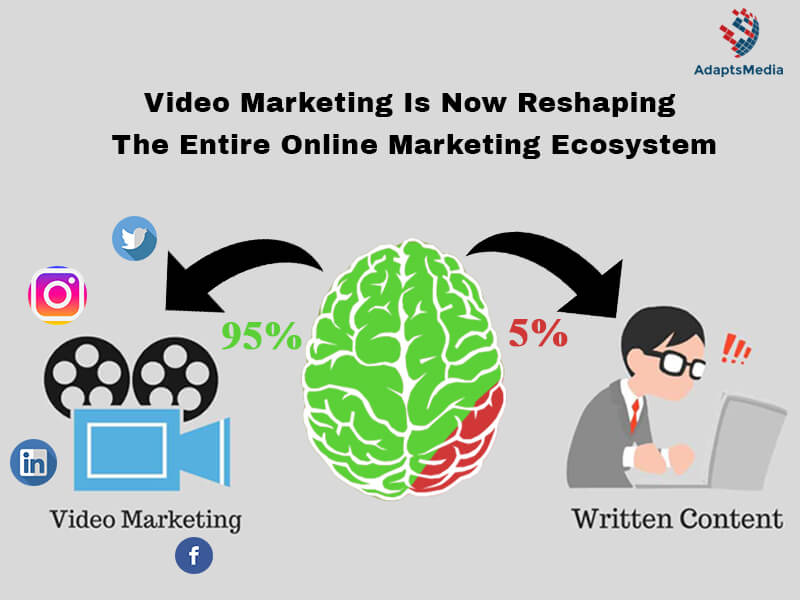
    Gone are the days when marketers just had the option to rely on image-based advertisement campaigns. With an influx of video-related content and their rising popularity on social media platforms like Instagram (Reels) and TikTok, video-based advertisements are now more critical than ever. As a result, marketing experts all over the world are incorporating videos into their campaigns.

    Why is Video Marketing Important?

    Video marketing is now playing a central role in digital marketing due to its innate storytelling ability. Here’s why we think it’s high time you must adopt it for higher returns:

    1. Consumers Are More Likely to Purchase Goods and Services That Are Represented by a Video

    According to studies, 64-85% of the customers are more likely to invest in your products and services if a video advertisement represents them. This statistic alone makes video marketing a viable and essential element for your business’s success.

    2. Business Professionals Are Likely to Investigate the Products They Are Interested in through Video Advertisements

    Another study has made an impressive claim stating that around 75% of business professionals like to watch promotional videos of different brands to find out more about the products they are interested in.

    A large section of these videos is found through YouTube advertisements. Half of the professionals and consumers who watch these ads are likely to visit the business’s website to explore the product.

    Similarly, sharing video advertisements on social media platforms for promotion can be an excellent strategy as most mainstream applications have altered their algorithm to favour short video posts.

    3. Shorter Videos Are More Likely to Attract a Customer’s Attention than Image Posts

    You might find it hard to believe, but consumers tend to favour short videos over image posts. Many studies believe that this behaviour is because they can perform some other task while watching a video, not the case with image content. Your marketing strategy should be taking advantage of this recent affliction towards video content and establish a global reach.

    Getting Started with Video Marketing

    Let’s face it – video marketing isn’t a hack that you can plug in and reap all the rewards. To make sure that your content stands out, you have to do it right. Here’s what you can do to make your video marketing campaign a greater success even if you have a constrained budget:

    1. Use a Smartphone – You don’t need to spend any extra income on buying DSLR cameras. Nowadays, mobile cameras are good enough for creating videos for YouTube. All you need to do is, have a good script ready to enlighten the customers about your product(s) or service(s).

    2. Flaunt Your Product through Demo Videos – Demo videos need to be short, educational, and informative about the kinds of products and services you are offering. They help consumers reach a decision faster and more effectively.

    3. Get on the Social Media Bandwagon – Don’t just stick to mainstream video applications like YouTube. TikTok videos and Instagram reels are a great way to put your message across. YouTube shorts are also an excellent way to reach a wider base of customers.

    4. Post Interesting How-to Videos – Video marketing shouldn’t just be limited to your products and services. You can post instructional and educational videos that are relevant to your industry. It’s all about increasing your interaction and engagement with your customers. If you keep posting interesting and relevant videos, the chances are that consumers will follow your business just for that.

    5. Post Customer Testimonial Videos –  Customer testimonial videos are a great way to increase brand credibility. With so many options available in the market, you need to stand out of the crowd. Consumers research a lot about the product(s)/ service(s) they are interested in before deciding. The testimonial videos are a great way to convince customers that your products and services enjoy a competitive advantage.

    Benefits of Video Marketing

    We have discussed the many factors that make video marketing an essential addition to your advertising campaign. As consumer behaviour continues to evolve, short promotional videos are capturing customer attention.

    To sum up, here are some of the major benefits of video marketing:

    • Videos give more exposure and increased engagement with customers.
    • They increase a customer’s understanding of the business’s product(s)/ service(s).
    • It helps rank the content higher on SERP by driving relevant search traffic.
    • Video content is visible for longer periods on social feeds.
    • They are one of the most effective mediums for sales pitches.
    • Short videos are trending across the internet.

    Final Words

    You need to be highly creative while adopting video marketing strategies, and each of your videos should uniquely represent your brand message. To put it this way, you have to post videos that appeal to the masses and are short, interesting, and engaging.

    That being said, video content provides the best return on investment in terms of engagement and traction. So, equipping your marketing team with video and social media experts would be an excellent way to kick-start your digital marketing endeavours.

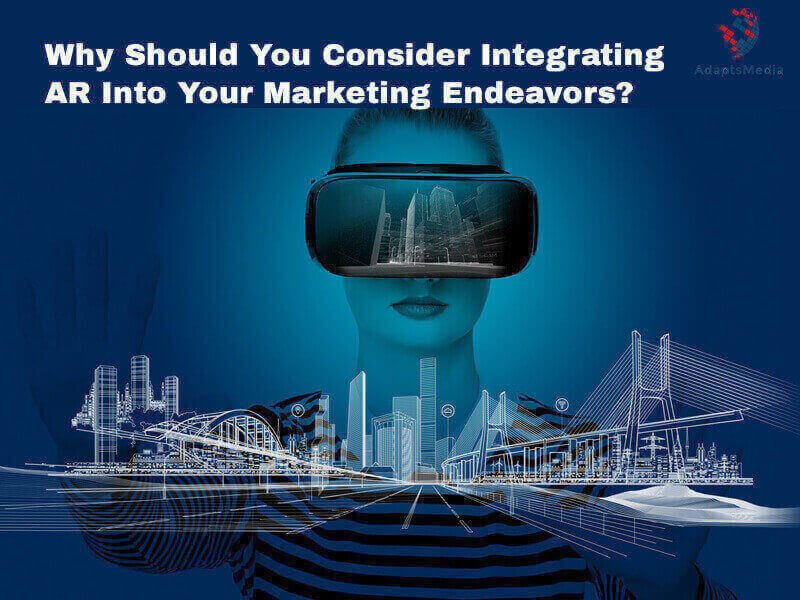
  • Why Should You Consider Using Augmented Reality into Your Marketing Efforts?

    Why Should You Consider Using Augmented Reality into Your Marketing Efforts?

    The modern market is driven by public interest and growing trends among the global customer base. Experts base their marketing strategies around what the consumers demand. With the introduction of new kinds of technology, these demands change.

    A vital part of a business’s marketing campaign is to remain up-to-date with all the latest trends in the market. As customer trends and technology continue to evolve, augmented reality (AR) is becoming a central part of the marketing strategy.

    Theoretically speaking, AR is a technology that overlays digital images over the real-time environment of the user. The primary objective is to give an immersive and real experience to the users. Like virtual reality (VR), AR became instantly popular in the fashion and healthcare industries.

    Role of Augmented Reality in Marketing

    Customers always crave an immersive and engaging shopping experience. Earlier, you had to use trial rooms to try out your preferred clothes before making a purchase. Similarly, you had to take a test drive while buying a car. These indicate that customers have an affliction towards testing and trying out the product before buying it.

    With online shopping, this wasn’t possible. This was before AR made a mark in the marketing industry. Businesses are now aggressively using AR to show customers how to use their products or services before making a purchase. The best thing is that the technology has evolved so much that customers can experience it directly from their smartphones or web browsers.

    How is AR Boosting Businesses?

    Implementing AR has now become a primary marketing technique for most businesses planning to achieve digital success. Here’s how AR is influencing purchasing decisions:

    1. Augmented Try and Buy

    Many customers refrain from online shopping because they cannot feel the product before they buy it. AR is playing a pivotal role in addressing this issue. Augmented reality provides the customer with a real-time feel of the product and services.

    A classic example of such a marketing strategy is L’Oréal’s makeup app. This app uses AR to let the customers see how the product would look on them. After the introduction of AR, L’Oréal’s witnessed a massive surge in customer engagement.

    2. Augmented Product Assistance

    The augmented product assistance feature allows users to scan products and initiate an AR experience designed either to give additional product information or a unique product experience that can eventually compel customers to make a purchasing decision.

    For example, some theatres use AR to give an augmented view of the screen from different seats. The customers can, therefore, have an idea of the view of the screen from their preferred seat numbers before they make the bookings.

    3. Augmented Branding Components

    AR allows businesses to integrate the technology with business cards, brochures, instruction manuals, etc. Customers scan the code on the relevant branding material to experience the pros and cons of the product through augmented reality.

    Some companies also use augmented reality in their instruction manuals. The users can scan the code on the manual, and it’ll redirect them to an AR experience that would visually explain to them the different components of the product they have purchased.

    4. Standing Out in the Market

    Despite the effectiveness of AR in marketing, not all businesses are reaping its benefits. As a result, customers are often deprived of augmented reality experiences.

    With AR, the chances are high that it’ll create a buzz around your product and services. Not long will pass before your brand visibility is boosted, making a tremendous positive impact on your overall business.

    5. The Future of Augmented Marketing

    Despite AR’s huge success, it is still considered a relatively new concept in the marketing world. So the question remains – is augmented reality a short-term trend, or is it going to end up as one of the most prolific and long-lasting marketing techniques? The facts speak for themselves.

    The fusion of AR into social media platforms like Facebook, Snapchat, and Instagram is gaining momentum. As we continue to adopt digitization, AR is only going to revolutionize marketing. Considering how much AR has become a part of our social media routine now, it is clear that augmented reality will become an integral part of our lives. And social media managers, marketing experts, and ambitious brands are going to reap all the benefits.

  • How to Prepare for Core Web Vitals Update in 2021

    How to Prepare for Core Web Vitals Update in 2021

    In May 2020, Google announced an update that may compel webmasters to rethink optimizing their website. Google iterated that Core Web Vitals will become determinant ranking signals for search results.  They gave website owners one year to prepare for the update, stating that the changes will be effective from May 2021 onwards.

    They decided to announce this update after thorough research on users’ preference for websites. In this blog, we have thrown light on web vitals update and what do they signify for webmasters. 

    What are Core Web Vitals?

    Google had earlier stipulated that the Core Web Vitals update will be effective come May 2021. But due to several intervening factors, the update was postponed till June. Google continued that they won’t implement all the changes in the ranking signals by late August 2021. This leaves you with plenty of time to optimize your website’s weaknesses before the changes roll out. But to do that, you need to understand what it’s all about. 

    In the simplest terms, Core Web Vitals are three essential metrics that indicate overall web page experience. The three metrics are:

    • Largest Contentful Paint (LCP)
    • Cumulative Layout Shift (CLS)
    • First Input Delay (FID)

    These are the three key indicators that will guide you on whether or not your website is prepared for Google’s new update. 

    Google aims to use these metrics to evaluate the user’s potential experience when they’re browsing a web page. The performance of the web pages will determine their overall search rankings. 

    Let’s study each in detail. 

    1.) Largest Contentful Paint (LCP)

    LCP is an indicator of the average loading time for a web page. Technically, it measures the speed and performance of a web page. The optimum value for LCP should be around 2.5 seconds as per Google’s standards. 

    2.) Cumulative Layout Shift (CLS)

    The loading speed of a web page alone could be deceptive. This is why Google introduced Cumulative Layout Shift as one of its metrics. It’s responsible for measuring a web page’s visual stability. 

    Cumulative Layout Shift checks the number of unstable objects and elements on a web page that shift and move around in an untimely manner, leading to hindrance in the rendering/loading performance of the user. In other words, it counts the number of layout shifts that the web page experiences during its life span.

    An optimum CLS value for a web page would be less than 0.1. 

    3.) First Input Delay (FID)

    First Input Delay evaluates a web page’s interactivity. It determines the time it takes for a user to interact with an element within the web page from the time the page first starts processing the user’s actions. 

    The ideal FID score for a web page should be around 100 ms. 

    It is important to note that these Core Web Vitals are not permanent. They will change from year to year depending upon the users as their preferences for an ideal website change. 

    Addition of Visual Indicators or Labels in Search Results

    When the update goes live, Google plans to sample different methods to display a visual indicator on the search results page. The purpose of these labels is to let the searcher know if a specific result on the results page is expected to provide a good page experience to the searcher. 

    Earlier, Google used similar visual indicators to point out slow and mobile-friendly websites. If the tests are successful, then you can expect to see specific visual indicators on search results that will distinguish well-optimized web pages from the under-performing ones. 

    Implications of the Update

    By now, it is apparent that this update will change the algorithm through which Google evaluates a website’s on-page performance. The new metrics will be key in deciding the search rankings of different web pages based on the efficiency of their Core Web Vitals. 

    At the same time, the possibility of having visual labels on the search results page means that the users will be inclined to click more on pages with positive evaluations from Google. This will affect a website’s engagement rate and organic reach by a huge margin. 

    All this calls for a massive overhaul from concerned website owners. According to a study, when the announcement was released, less than 15% of the pages are optimized to pass Google’s Core Web Vitals Update. It’s important to note that changes will not be content-based at all. The new update is all about the technical aspects of a website. 

    The website developers and coders are the ones that have the necessary ammunition to make the necessary overhaul to fit Google’s new ranking criteria. 

    Preparing for the Update

    Google will now use Core Web Vitals to evaluate and determine the rankings of different web pages. Most of the websites still haven’t reached the optimization levels that are necessary to match Google’s standards. If things continue at the same pace, many businesses will take a massive hit on their online reach and engagement.

    But with the updates being postponed for another month, you still have a chance to get ahead of your indifferent competitors. Here’s what you can do to prepare yourself for the new update. 

    Useful Tools

    Here are some tools that can aid you in your quest for website optimization. 

    1. Google Search Console

    Google Search Console can help you immensely in abiding by the Web Vitals update. With the announcement, Google Search Console now comes with a separate section only for Core Web Vitals. This section evaluates your web page and rates it as high, medium, or low priority, and compiles reports to determine if it will perform well or not. 

    Note that Google Search Console uses the page’s templates to determine its functionality and not the URLs. The reason behind this logic is that, in most cases, templates are similar across all URLs. So, this report will be on template-level and arguably more efficient as it is the templates that need editing and not the URLs. Implementing changes at the template level will mean that it will be easy to apply those changes at wider levels as well. 

    1. Google Developer Tools

    Google is continually improvising to improve user experience. They launched the developer tools to help website owners measure important metrics. Using developer tools to keep track of your website’s weaker pages can prove to be tedious, but it is just as rewarding. The tool can help you keep track of:

    1. Large Contentful Paint (LCP)
    2. First Input Delay (FID)
    3. Cumulative Layout Shift (CLS)
    4. First Contentful Paint (FCP)
    5. Time to First Byte (TTFB)

    Tips to Improve Core Web Vitals

    You can implement some of these tips to enhance your website’s visual loading, make it more mobile-friendly, and improve overall core web vitals. 

    1.) Reduce JS Execution:

    One of the main reasons behind a poor FID score is poorly optimized JS (JavaScript) execution. The best solution is to ask your website developers to get rid of unused JS. 

    2.) Compress Images:

    For most web pages, the largest elements are high-definition images. They can hog up a user’s loading time and decrease your LCP score. The best solution for this is to use compressed images on your web pages. The simplest way to do this is to use an online image-compressing website. 

    3.) Give Embeds and Images Proper Dimensions:

    If you have a poor CLS score, it might be a result of inconsistent or unavailable dimensions of images, ads, or embeds in your CSS file. By allotting proper dimensions to these elements, you will help the browser allocate appropriate space on the web page. This considerably improves the CLS score. 

    2.) Make your Website Mobile-Friendly:

    A mobile-friendly website is essential even when Google’s core web vitals update was not put in place. So, paying attention to mobile friendliness is much more important. 

    Start Preparing

    The Core Web Vitals update will bring a new dynamic to search rankings. It’s an opportunity for website owners to gain an edge over their competitors. There is a high chance that many site owners are not even aware of this upcoming update. Knowing about Core Web Vitals is the first step of preparation. After that, you can optimize your website before the update kicks in. 

    So start evaluating your website and get your developers to look for solutions straight away!